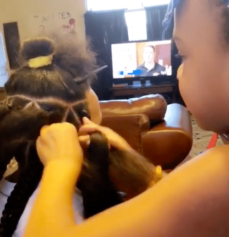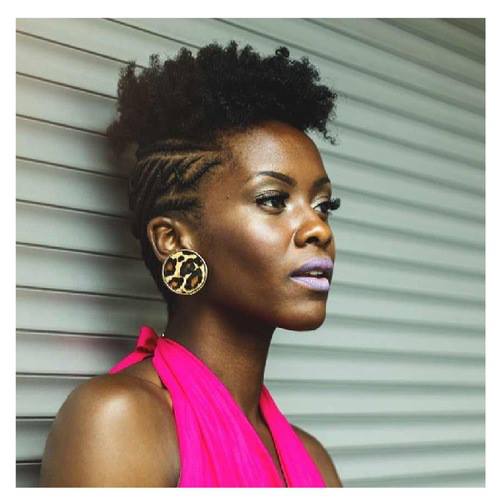
Courtesy of Natural Hair Mag Facebook Page
Slumping sales of hair relaxers among African-American women tell the story: More women are opting to forgo chemicals and go natural. But it’s the anecdotal evidence that conveys the real message.
In less than a year, the Boston Naturals Hair Meet Up Group has grown from 200 to 800 active members. Experts are reporting a bump in the number of women looking to go natural, particularly over the past two years. The Boston group is no anomaly. Most major cities now have groups for women who dub themselves “naturals,” or are considering going natural. A look at the website My Natural Hair Events shows dozens of gatherings, and video blogs on YouTube are filled with advice on styling natural hair.
Modjossorica Elysee, the 28-year-old head of the Boston Naturals, says the growing interest in chemical-free Black hair is not simply a trend.
“I see a lot of women who have started to accept themselves and their hair,” she said. “They’re encouraging their children to start accepting themselves. This is entirely new.”
The consumer research group Mintel reported that hair relaxer sales dropped from $206 million in 2008 to $152 million in 2013, while sales of products to maintain natural hair are on the rise.
“The natural hair trend is driving an increase in sales of styling products such as styling moisturizers, setting lotions, curl creams, pomades, etc.,” said Tonya Roberts, multicultural analyst at Mintel. “A look at expenditures from 2008 to 2013 shows steady growth in the Black hair care category for all categories except relaxers and perms.”
Read the full story at bostonglobe.com