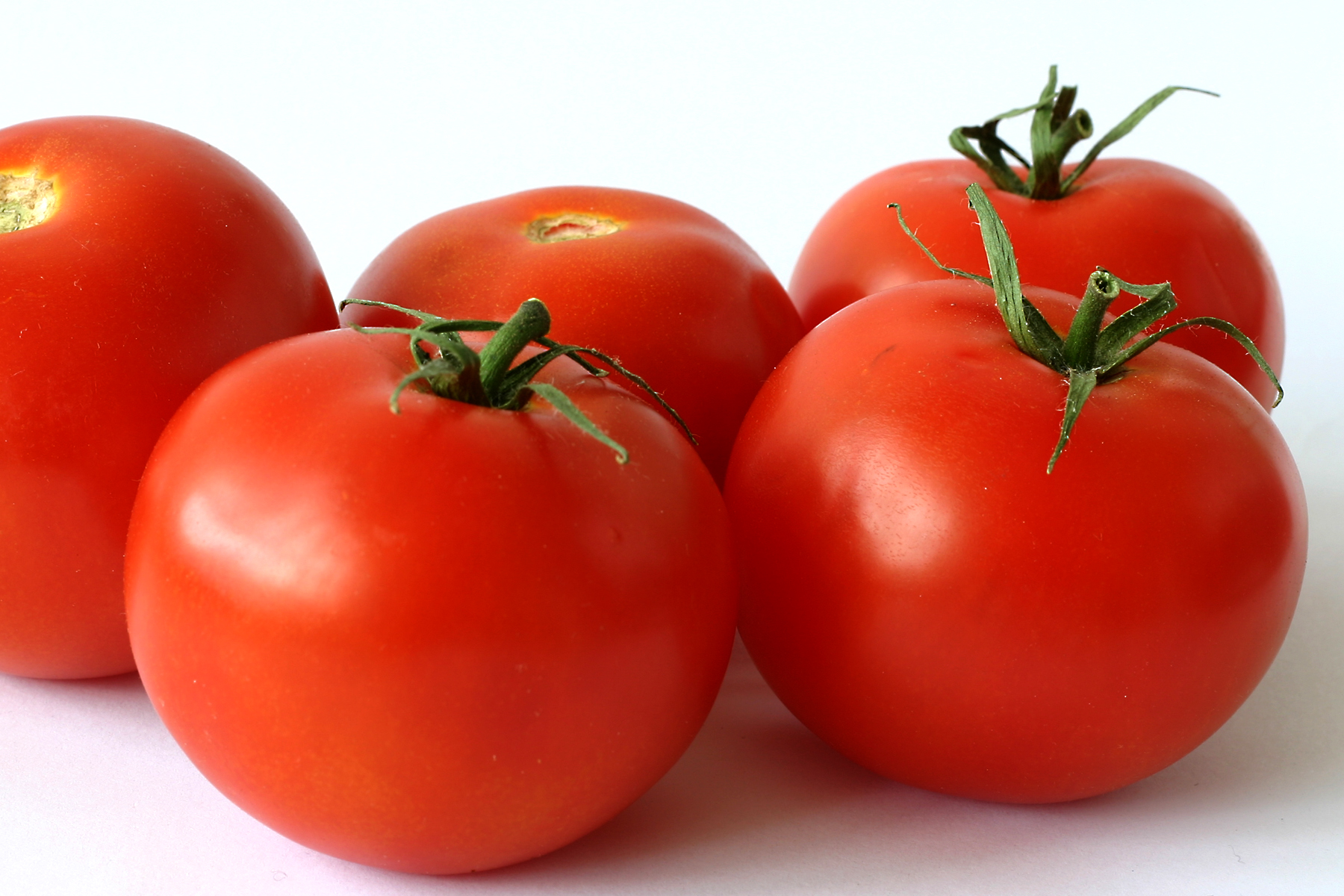
Sauced, stuffed, deep-fried, or au natural – tomatoes are a key part of many diets. Now, new research suggests that eating this juicy fruit could lower the risk of stroke in men, making it much more than a delicious ingredient.
Researchers at the University of Eastern Finland in Kuopio conducted a study that took place over a 12-year period. Over 1,000 Finnish men between the ages of 46 and 65 took blood tests at the beginning and end of the experiment. During the course of the study, 67 participants had strokes. Researchers discovered that 25 of the 258 men with the lowest levels of lycopene had a stroke, while only 11 of the 259 men with the highest levels of lycopene suffered a stroke. The final number was that people with the highest levels of lycopene are 55 percent less likely to suffer a stroke than people with the lowest levels.
Lycopene is an antioxidant present in red berries and fruit. The National Institutes of Health says it is found at high levels in fruits and vegetables, such as tomatoes, watermelon, and guava. A 240-milliliter cup of tomato juice, for example, contains approximately 23 milligrams of lycopene. Earlier research has also shown that lycopene may decrease the formation of plaques in arteries from LDL cholesterol.
Doctors say that this supports the recommendation of diets high in fruits and vegetables, especially in conjunction with lowering the risk of stroke. However, experts have also noted that the data of the study shows an association between lycopene and stroke risk. There is currently no evidence of a cause-and-effect link. Additionally, the study did not take into consideration the food in the participants’ diets, so while tomatoes are a good source of lycopene, they could have been getting their intake of the antioxidant elsewhere.
Read more: Natural News