With “Gangster Squad” you get a gory cops-just-wanna-do-the-right-thing romp. “L.A. Confidential” was a better film, covering nearly same subject matter, and “L.A. Confidential” did it with more drama and fewer neon lights.
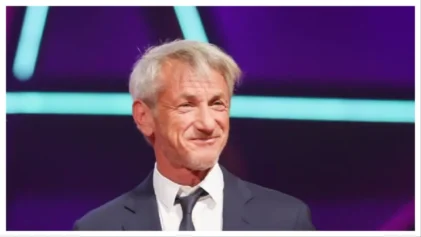
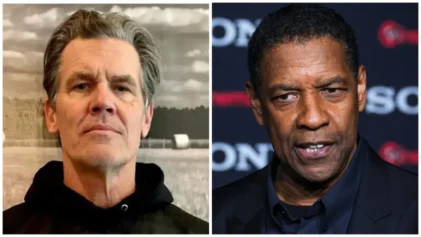
In “Gangster Squad,” John O’Mara, played by actor Josh Brolin, leads a rag-tag group of police officers against crime boss Mickey Cohen, played by actor Sean Penn. The setting is 1940s Los Angeles.
This is the best “based on a true story” film I have seen all year. I was kind of turned off by the beginning credit sequence where Penn was playing with a punching bag – in slow motion. If Penn is trying to show that boxers don’t age gracefully when they go into the world of organized crime, then he accomplished his goal – veiny arms and all.
Brolin was at least fun as the cop who is not afraid to hit and be hit back, even if his pep-talks didn’t pass muster. Chief Parker, played by Nick Nolte, says, “this is enemy occupation.” Brolin tells his squad they are at war. If you are at war don’t you want to kill your enemy instead of messing with their phone lines and telling captured goons to take a hike?
If I was a conspiracy theorist, I would use this movie as point of reference in rants involving over-reaching police in this country. I am not overly paranoid, and see “Gangster Squad” as just a mediocre action noir with some style but lacking depth. Even now, as I search for another discussion point, I am plagued by actor Ryan Gosling’s bravado and smirk.
This film was originally supposed to have a September release, but after the Aurora Colorado shooting it was moved back to a January…
Read More: moviesonline.ca