Resiliency and passion are two of the greatest characteristics of any entrepreneur. With entrepreneurship, it is possible to quickly see the bigger picture during difficult times and then make a quick pivot. And in the midst of the pandemic, entrepreneur Robert Thomas made a serious 180-degree turn.
In early 2020, Thomas was operating District 1960 Nightclub. But when the COVID-19 pandemic shut down the world, Thomas knew the end of his five-year run as the club’s owner might be coming. “This was a club before, and I renovated it. They shut me down with the pandemic,” Thomas told KHOU.
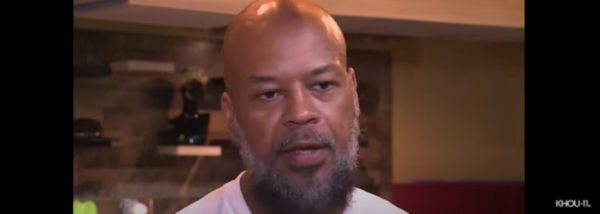
However, Thomas, who is passionate about food and wellness, decided to do something different. He shut down the club, renovated the inside and then, opened a grocery store.
An estimated 41 percent of Black-owned businesses shut their doors between February and April of 2020, according to a New York Federal Reserve study that looked at COVID-19’s impact on entrepreneurs across the U.S. The culprit: lack of savings and access to capital.
But Thomas came out of the shutdown with a vision not only to save his business but also to help the local Black community maintain its health.
On Nov. 26 Thomas opened the District Market Green Grocer, which he claims is Houston’s first Black-owned grocery story and juice bar, in the space where he had previously operated a nightclub.
Customers come to the store and are able to find fresh fruit, vegetables, and other products from Black-owned vendors.
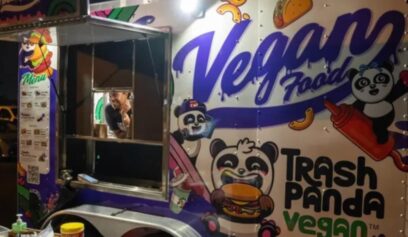
“Right now I have over 30 Black vendors,” said Thomas. “Fruit, vegetables, eggs, vegan meals for the vegan community,” Thomas told FOX26 Houston. “We have Black-owned washing powder, herbs and spices, as well as sauces. I want to be in the running with Whole Foods, and Trader Joe’s. I want to get to that level, and I’m taking the Black vendors with me.”
Read full story at Finurah here.