A group of Black men who were executed in the 1949 rape of a white woman were granted posthumous pardons by Virginia Gov. Ralph Northam on Aug. 31.
The men, Frank Hairston Jr. (18), Booker T. Millner (19), Francis DeSales Grayson (37), Howard Lee Hairston (18), James Luther Hairston (20), Joe Henry Hampton (19), and John Claybon Taylor (21), of Martinsville, were executed in 1951 in the 1949 rape of Ruby Stroud Floyd a 32-year-old white woman. Stroud had gone to a mostly Black neighborhood on Jan. 8, 1949, to receive payment for clothes she’d sold.
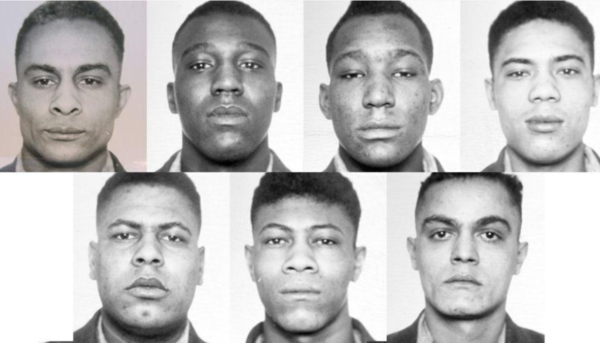
All of the men, known as the “Martinsville Seven,” were tried by all-white juries and they represent the largest group of people executed for a single-person crime in the state’s history.
“While these pardons do not address the guilt of the seven, they serve as recognition from the Commonwealth that these men were tried without adequate due process and received a racially biased death sentence not similarly applied to white defendants,” Northam’s office said Tuesday.
The announcement was made after Northam met with descendants of the men and people who advocate for them. Between 1908 and 1951, all of the people executed for rape in Virginia via the electric chair were Black. On Feb. 2, 1951, four of the men were executed in the electric chair and three days later, the other three were also electrocuted. The Supreme Court ruled in 1977 that imposing the death penalty for rape was cruel and unusual punishment.
Family members of the men who were executed say they were interrogated without an attorney and that their confessions were coerced under a threat of mob violence. The Martinsville 7 Coalition has pushed for posthumous executions to be granted since last year, as the executions became an example of a racial disparity in the use of the death penalty.
Virginia abolished the death penalty earlier this year after it executed more people than any other state other than Texas.
“These men were executed because they were Black, and that’s not right,” Northam said. “Their punishment did not fit the crime. They should not have been executed.”
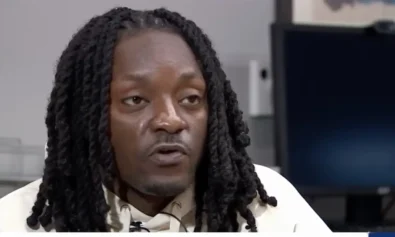
James Walter Grayson was 4 years old when his father Francis DeSales Grayson was executed. He said on Tuesday, “Thank you, Jesus. Thank you, Lord. … It means so much to me.”
Since taking office, Northam has issued 604 pardons, which is greater than the previous nine governors combined. The pardons of the Martinsville Seven are the first posthumous pardons in the state’s history.
“We all deserve a criminal justice system that is fair, equal, and gets it right—no matter who you are or what you look like. I’m grateful to the advocates and families of the Martinsville Seven for their dedication and perseverance. While we can’t change the past, I hope today’s action brings them some small measure of peace,” Northam said.