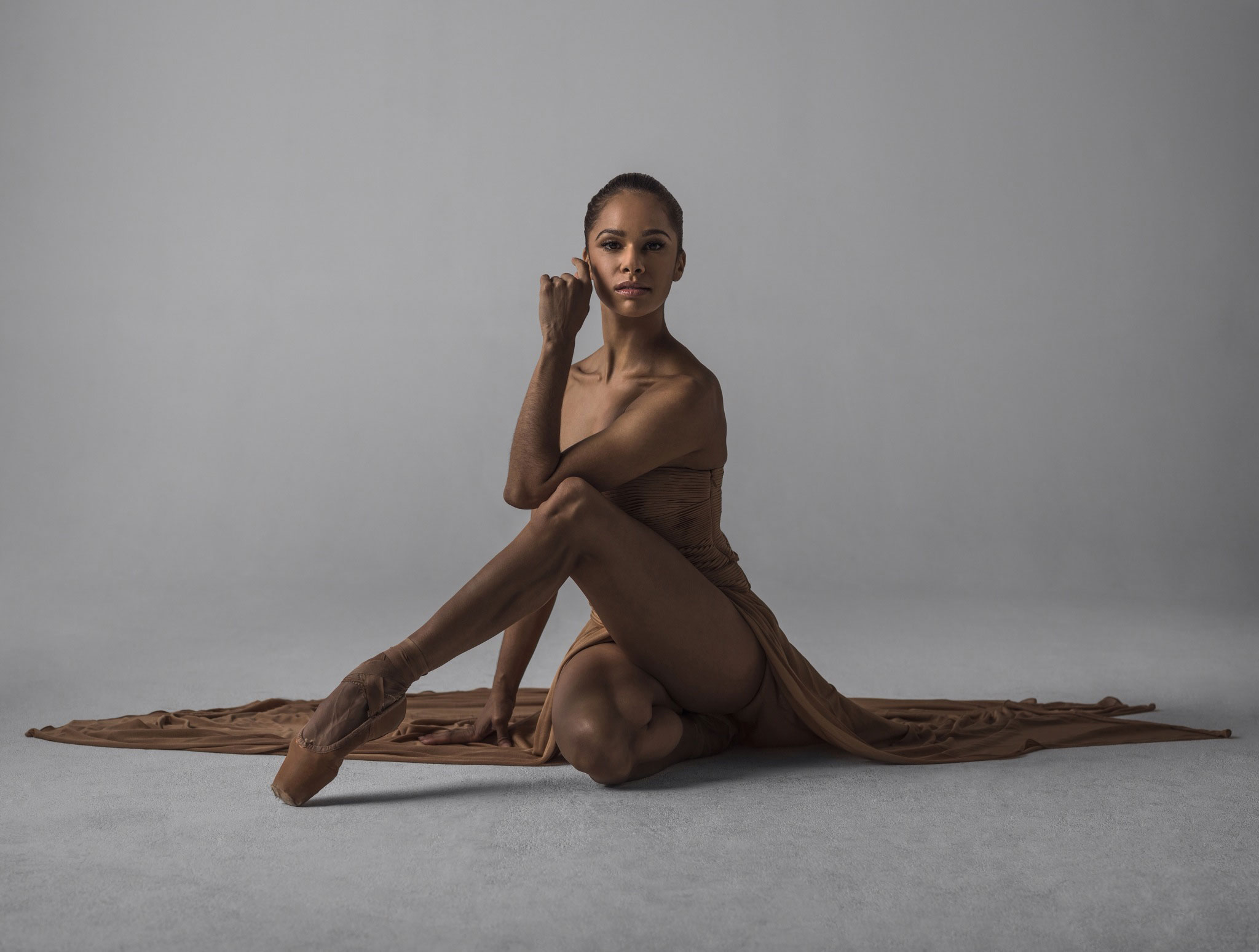
By now, you know who Misty Copeland is. Last week, the ballerina made headlines when she ascended into the pantheon of principal dancers at the American Ballet Theater, the first African-American woman ever to do so. But even before her promotion, her fame spread far beyond the gilded walls of the theater. From the raging custody battle that encapsulated her as a teen, to touring with Prince, Misty didn’t glide onto the scene. She leaped.
As a pioneer, Misty’s star is unparalleled, but she is not the only Black ballerina blazing new trails. In cities across the globe, from Los Angeles to Hong Kong, Black women are quietly shattering stereotypes, and scaling the ranks of predominately white ballet companies. They, too, have inspiring stories that must be shared, because as Misty Copeland proves, there is power in visibility.
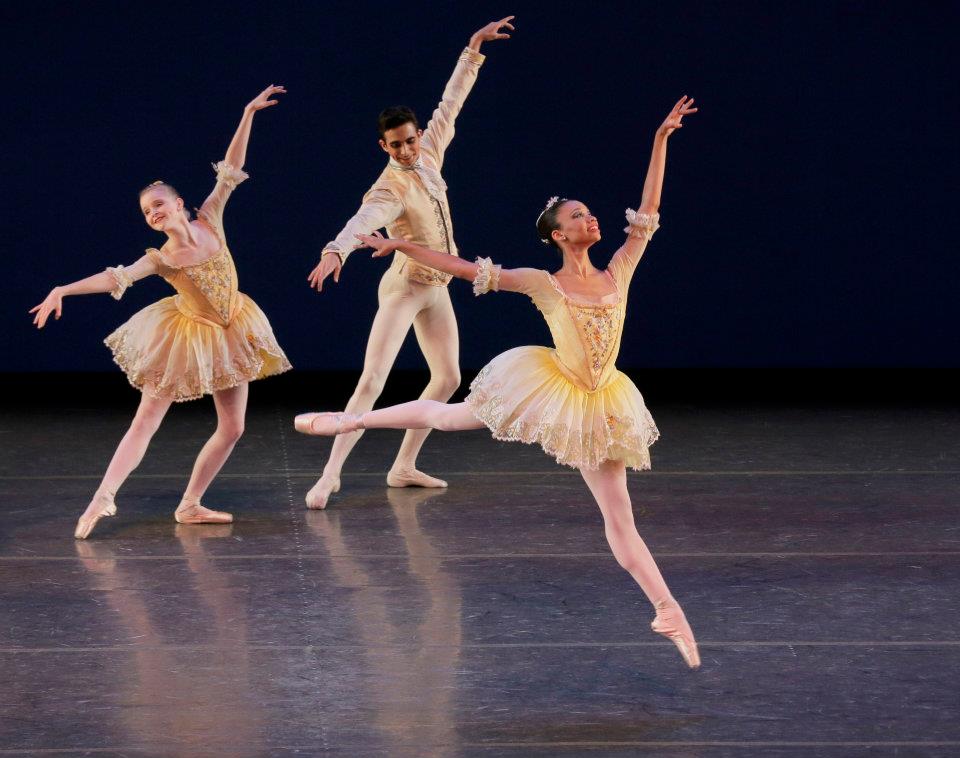
Olivia Boisson, New York City Ballet
Olivia Boisson of Queens, New York is currently the only African-American female dancer with the New York City Ballet. Established by legendary choreography George Balanchine in 1933, and housed in New York City’s Lincoln Center, directly adjacent to the American Ballet Theater, the New York City Ballet is considered by many to be the pinnacle of dance in America. While enrolled at the School of American Ballet, the official school of NYCB, Olivia received the coveted Mae L. Wien award, given to advanced students who demonstrate outstanding promise. She is the fifth Black woman to dance with the company, and the first since the departure of Aesha Ash in 2003.